
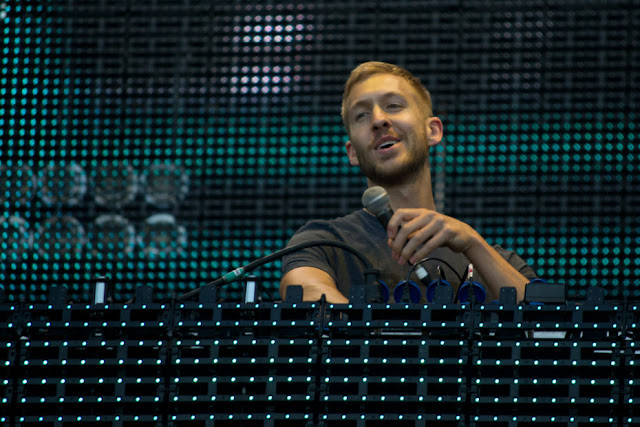
Adam Richard Wiles — better known as Calvin Harris — is one of the most commercially successful electronic music producers alive. He's also unusually transparent about his studio setup. Here's exactly what he uses.
What DAW Does Calvin Harris Use?
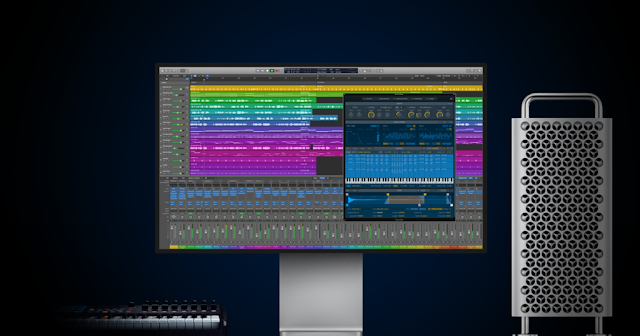
Calvin Harris primarily produces in Logic Pro. It's his main DAW for writing, arranging, and mixing. Logic is Apple-only, and Harris has been using it consistently across his career — from I Created Disco to his more recent house records.
His secondary DAW is Avid Pro Tools, typically used for mixing and post-production work.
Worth noting: the DAW is never the bottleneck. Harris has said in interviews that what matters is understanding sound design and arrangement — the tools just execute that understanding.
What VSTs & Plugins Does Calvin Harris Use?
Waves L3 Multimaximizer
A multiband peak limiter and level maximizer used at the mastering stage. Harris has been seen using this for transparent loudness without killing the dynamics of the track. It features linear phase EQ for clean highs and punchy lows — a go-to for electronic music where the low end needs to hit hard without flattening the mix.
Native Instruments KOMPLETE
KOMPLETE is a bundle of 60+ instruments and effects, and Harris pulls from several of them:
- FM8 — FM synthesis with a wide range of timbres. Harris uses it for leads and pads.
- Massive — One of the defining bass synths of the 2010s EDM sound. If you've heard a festival drop in that era, you've heard Massive.
- Kontakt — Sample-based instrument engine used for realistic sounds, orchestral elements, and creative sampling.
- Reaktor — Modular synth environment where you can build custom instruments from scratch.
Xfer Records LFOTool
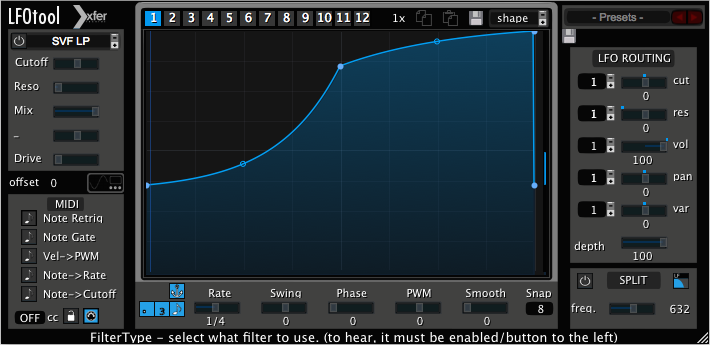
A staple for sidechain pumping and volume-shaping in electronic music. LFOTool lets you draw custom LFO curves and apply them to volume, filter, or any automatable parameter. Cross-platform, with solid presets out of the box.
iZotope Ozone
Harris has been filmed using iZotope Ozone for mastering. It's an all-in-one mastering suite with AI-assisted tonal balance, dynamic EQ, stereo imaging, and limiting. The newer versions have significantly improved the AI Power Mastering workflow.
Lexicon PCM Native Reverb Plug-in Bundle
Rich, lush reverb used for vocals and atmospheric elements. Lexicon's reverb algorithms have been used in professional studios since the 70s — Harris uses this for the spatial depth in his mixes.
Spectrasonics Omnisphere
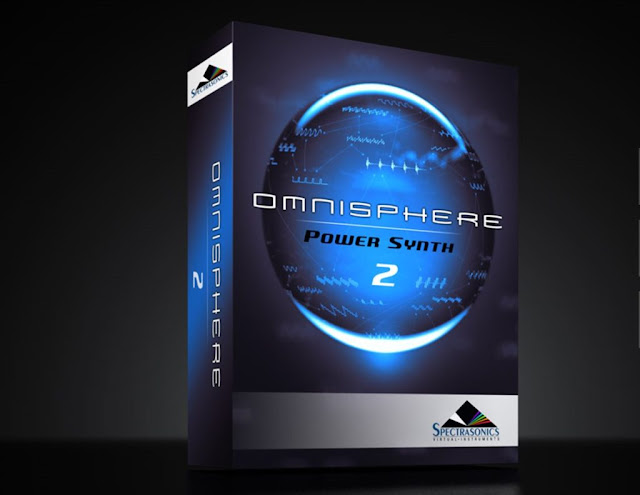
Arguably the most powerful synth plugin ever made. Omnisphere's library is enormous — pads, atmospheres, cinematic textures, bass. Harris uses it for signature sounds that are hard to recreate with standard synths. You can load your own audio as a source oscillator, which gives it near-unlimited range.
In Action — How Calvin Harris Made "Slide"
Can You Make Electronic Music Like Calvin Harris?
The short answer is yes — though not because you need his exact plugin list. What you need is an understanding of how these tools are used: how to layer synths, how to design a drop, how to mix low end without muddiness, how to master for streaming.
Harris works in Logic Pro. Most professional producers also work in FL Studio or Ableton Live — and the production techniques are identical across all three. The concepts transfer.
At PartyMap Academy's Electronic Music Production course, we train on both FL Studio and Ableton Live — the same DAWs used by producers like Alan Walker, Marshmello, and thousands of working bedroom producers worldwide. The course covers beat making, sound design, arrangement, mixdown, and mastering over 3.5 months, instructor-led.
It's available as a classroom course in Mumbai-Andheri and Kolkata, or as a live online course from anywhere in India or abroad.
If you've ever looked at a Calvin Harris studio session video and thought "I want to understand what's actually happening there" — that's exactly where the course starts.
Learn more and enquire about the next batch →
PartyMap Academy has been training music producers since 2011.